Reading Terrain in Low Range Offroad 4x4
Pick your line across mud that remembers, roots, rock, and water — and know when not to copy the truck ahead.
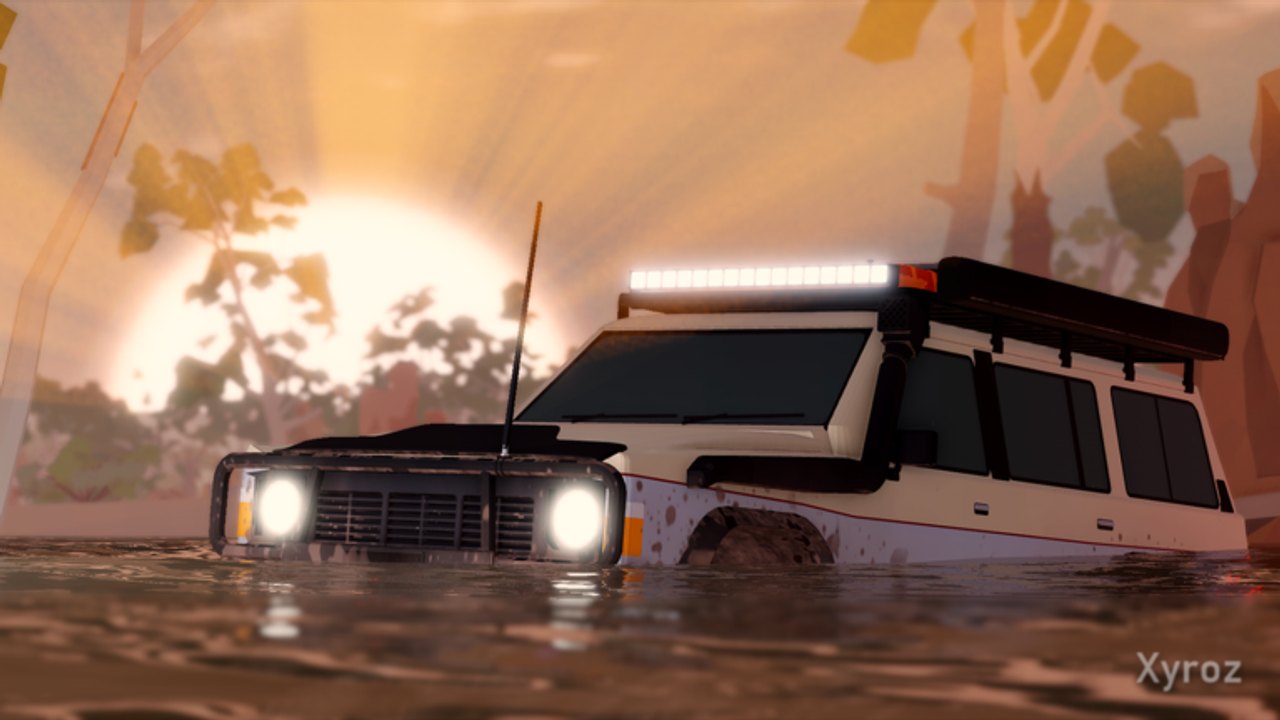
Finishing stages in Low Range: Offroad 4x4 on Roblox is less about horsepower and more about reading the ground. MTBAce Studios built a technical trail sim: each stage is one path from start to finish, and the surfaces you meet — mud, roots, rock, and water — change grip, climb, and how badly a mistake hurts the whole server. This guide teaches you how to pick your line, why mud remembers ruts, how to handle each surface, and when not to follow the previous truck. Pair it with Truck Setup, Winch Guide, Fuel and Checkpoints, Getting Started, and the stage walkthrough for Ridgeback Creek. Browse the full directory from the Guides Hub.
Early Access reminder: physics feel and HUD labels can shift between publishes. The durable skill is observing the trail in front of you, not memorizing one viral tire pressure from an old clip.
What “pick your line” means
A line is the path you want each tire to take, including the exit. Looking only at the first bump is how you crest a ledge with the rear axle twisted, or drop into a polished mud trench you cannot reverse from. Before you commit:
- Trace where the fronts will climb and where the rears will follow.
- Spot a reverse shelf or winch tree if the section fails.
- Decide setup before entry — air-down (4 in many community guides), diff lock (K), and L / L+ — so you are not spinning while you fumble menus.
- Ask whether the shortest visual path is still the smartest after traffic has chewed the mud.
If you cannot answer those, stop on firm ground and look again. Stopping is free. Digging a server-wide rut is not.
Mud that remembers
Official and community descriptions agree on a core rule: mud ruts deepen for everyone on the server as trucks pass. A crossing that worked for the lead truck can be a trap by the time you arrive. Treat every soft section as a living surface.
Tactics that work in shared mud
- Prefer a shallower shoulder inside the trail when one exists, instead of the shiny center groove.
- Air down before you enter soft ground; street pressure on mud is how you skate and excavate.
- Crawl in L or L+ so you feel slip early enough to abort.
- If the wheels spin and the truck barely moves, ease off. More throttle usually means a deeper gift for the next twenty players.
- Back out when you can. A new entry angle beats a heroic spin in the same hole.
When not to follow the previous truck
Copying tire tracks feels safe. In Low Range it is often the opposite. Do not blindly follow when:
- You can see the groove is already deeper and glossier than the shoulders.
- The truck ahead spun hard or needed a winch in the same spot.
- Your truck is heavier, taller, or on different pressure than theirs.
- The exit they used is now blocked by a recovery, or the landing zone is crowded on a 20-player server.
- You still have a reverse path they did not — take the patient exit instead of stacking three trucks in one pinch.
Watching where their tires slipped is free scouting. Cloning their exact path after the mud has remembered them is unpaid landscaping.
Roots tactics
A single root can stop a climb that looked smooth from twenty meters back. Aim the tires at the smaller step before you reach it, then keep watching until the rear clears too. On multi-root stretches:
- Leave room to straighten between hits.
- Use low range so you do not launch from one root into a bad diagonal on the next.
- Add lockers when a wheel unloads and wastes torque while another tire still bites.
- If a root sets the truck crooked, reverse to easy ground rather than yanking the wheel mid-step.
Roots punish impatience more than they punish soft tires. Time to place contact patches matters.
Rock tactics
Plan the whole rock garden, including where the tires come back down. Classic fail: front tires crest while the rear is twisted sideways and you have no reverse shelf. Approach slowly in low range so you can see climb versus slip. Place fronts with a plan for the rears. Lockers help when a wheel hangs; they do not invent a line across a polished face you chose for no reason. If the line is wrong, reverse early. Winch to a tree or a friend’s truck only after the truck will not roll free — see the Winch Guide.
Water tactics
Pick an exit bank before you enter. A route that ends on a steep lip is harder than one that ends on a gentle climb, even if the water looks identical. Steady throttle beats a panicked splash. Official copy confirms water changes grip; it does not publish a safe depth for every truck. If you lose bite, do not create a deeper launch hole — reverse or winch thoughtfully, then reassess tire pressure and range before a second try. Check fuel so a long wet recovery does not strand you between caches (Fuel and Checkpoints).
Setup is part of reading terrain
Terrain reading and truck setup are one loop. Soft ground ahead means prepare tires and crawl gear while you still have room. A ledge ahead means L / L+ before you arrive hot in Automatic. A diagonal failure mode means lockers after line and range are already sane. Full decision trees live on Truck Setup. Changing line, pressure, lockers, and range all at once teaches you nothing when you finally clear the obstacle.
Fuel, caches, and patience
Hard traction tools and impatient throttle spend the tank while you go nowhere. At each fuel cache — refill plus checkpoint — decide whether the next stretch deserves full soft-tire aggression. Reading terrain includes reading distance to the next cache. A beautiful mud shortcut that burns half a tank in place is a bad line even if the truck eventually crawls out.
Practice drills for better eyes
- On an easy stretch, stop before every soft patch and name your entry, exit, and abort out loud.
- Watch one truck through a pinch without copying; note where it slipped, then choose a different shoulder.
- Clear the same root garden twice: once rushed in Automatic, once in L with a planned rear path.
- After any winch, force yourself to change one variable before re-entry.
Apply the same eyes on Ridgeback Creek Stage 1, where early mud and mixed ground teach habits you will need on harder maps. Day-one context stays on Getting Started.
Related pages
- Getting Started — first-session checklist and line language
- Truck Setup — air-down, diffs, low range before the obstacle
- Winch Guide — trees and friends when the tires will not
- Fuel and Checkpoints — 4WD burn and cache rhythm
- Ridgeback Creek — Stage 1 walkthrough that uses these skills
- Guides Hub — full guide directory
Read the ground, then set the truck for what you actually see — not for the track the last driver left behind. That habit is what Early Access Low Range Offroad 4x4 rewards on Roblox.
Frequently Asked Questions
Quick answers for Low Range Offroad 4x4 players.
Why does mud feel worse after other trucks pass?
Mud ruts deepen for the whole server as trucks drive through. Inspect a shallower shoulder or a new entry instead of copying worn tracks blindly.
When should I refuse to follow the truck ahead?
Skip their line when the groove is already deep and polished, they spun or winched there, your setup differs, or the exit is crowded. Watch their slip, do not clone their trench.
What should I do before entering soft ground?
Stop on firm ground, air down (community tip: key 4), select L or L+, and plan an exit or winch tree. Do not start adjusting after you are already axle-deep.
How do roots and rock differ from mud?
Roots and rock punish bad tire placement and rushed Automatic more than shared rut memory. Plan the full step including the rear axle; use low range and reverse early when crooked.
Does reading terrain replace the winch?
No. Good lines reduce winches, but when the truck will not move, anchor to a tree or friend's truck and pull onto steerable ground. See the Winch Guide.
Which stage is good practice for these skills?
Ridgeback Creek Stage 1 is a known early stage players meet in menus. Use it to drill line choice, shared mud etiquette, setup timing, and cache planning.