Low Range Offroad 4x4 Winch Guide
Stuck in mud or on a ledge? Anchor to a tree or a friend's truck and pull yourself back onto drivable ground.
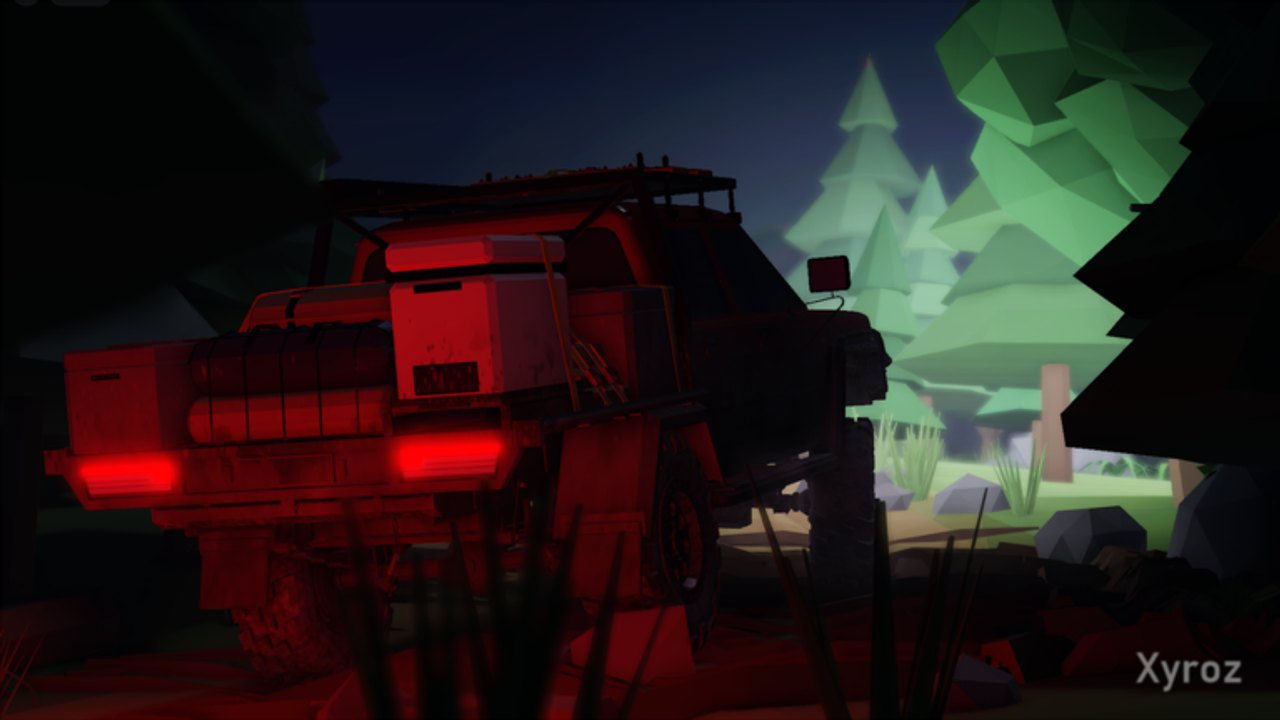
Getting stuck is part of Low Range: Offroad 4x4 on Roblox. The winch is how MTBAce Studios expects you to leave a bad hole when the tires cannot. Official copy is clear: hook a tree or a friend’s truck and pull yourself free. This winch guide covers when to winch versus reverse, how to choose an anchor, how to aim the pull, and how groups should share bottlenecks on a 20-player server without carving a canyon in the shared mud.
Before you live on the cable, make sure you already tried the cheap fixes in Truck Setup and the line habits in Getting Started. Confirm stop and reverse on Controls. Watch fuel so a long recovery does not strand you between caches — Fuel and Checkpoints. Browse everything from the Guides Hub.
When to winch (and when not to)
Winch when the truck will not make meaningful progress under its own power, you cannot reverse onto firmer ground, or another attempt will only deepen a rut that the whole server inherits.
Do not winch first when you can still roll back. A free reverse to a better line beats a rushed pull that drops you into the same trench at a worse angle. Also pause if you are still holding throttle and spinning — stop digging, then recover.
Ask three questions:
- Can I reverse to steerable ground?
- If I pull, where will the truck land?
- What trapped me, and what will I change on the next attempt?
If you cannot answer question 3, you will winch into a loop.
Confirmed anchors: trees and friends’ trucks
The developer names two anchor types: trees and friends’ trucks. That matters for solo and co-op planning.
Trees (solo-friendly)
Before you enter a section with no easy reverse, look for a tree that sits in a useful pull direction. A tree behind you only helps if backward is the escape. A tree off to the side can yaw the truck into a worse ditch. Ideal anchors pull you toward firmer ground you can already see.
On solo runs, tree scouting is part of line choice. If a scenic mud bowl has no anchor and no reverse shelf, treat it as a high-risk line even if it looks shorter.
Friends’ trucks (co-op)
A friend’s truck is a mobile anchor. The anchor driver should sit on firm ground with the truck stable — not parked halfway into the same soft hole. Communicate who is pulling and who is staying clear. After the recovered truck moves, the next driver should wait until the exit is empty. Stacking three recoveries in one rut is how Early Access mud becomes a server-wide trench.
Pull direction and landing zone
Winching is geometry. Point the recovery toward a place you can steer. Landing in a deeper rut “because the tree was close” is a failed recovery even if the cable worked. After the pull:
- Brake on ground you can control.
- Recenter the camera on the obstacle.
- Change at least one variable — line, tire pressure, lockers, or range — before you re-enter.
- If you came out of a deep rut, do not steer straight back into the polished groove.
If a rock ledge stopped you, look for a lower step or a straighter approach. If water exit lip defeated you, pick the gentler bank you should have chosen first. The winch buys you a reset; it does not invent a better plan.
Setup still matters after a pull
Players sometimes winch free, then charge the same Automatic + hard-tire combo that buried them. Use the pause. Air down before re-entering mud. Select L or L+ for the crawl. Engage lockers if a wheel was the failure mode. Details stay on Truck Setup. The winch and the setup tools are teammates, not rivals.
Mud that remembers
Ruts deepen for everyone on the server as trucks pass. A winch recovery that dumps you back into the same groove trains you to carve it deeper. After a pull, prefer a shallower shoulder if one exists. If you are the lead truck, your failed attempts write the stage for followers. Leave the mud kinder than you found it when you can — future you in the same server will care.
Group bottleneck etiquette
On popular stages, expect queues at hard pinches.
- One truck attempts while others wait on firm ground.
- Failed attempt reverses or winches clear before the next entry.
- Anchor trucks stay out of the soft trap.
- Recovered trucks clear the exit fully before celebrating in the landing zone.
- Spectators learn from the lead truck’s tire slip instead of copying a doomed center line blindly.
Friends help each other through hard parts — that is part of the pitch. Help includes patience, not only cable.
Solo recovery checklist
- Stop spinning.
- Attempt a controlled reverse if any firm ground is reachable.
- Scan for a tree in the useful direction.
- Winch to steerable ground.
- Change line or setup.
- Check fuel before a long second try — caches are checkpoints as well as refills.
If no tree exists and reverse is dead, you may need a friend or a different approach to the whole section. That is useful information for the next run, not just a rage moment.
Co-op recovery checklist
- Call that you are stuck and stop digging.
- Ask for an anchor on firm ground ahead or aside — not deeper in.
- Agree on pull direction toward an exit both of you can see.
- After the pull, thank the anchor by clearing space quickly.
- Share what failed (pressure, line, range) so the next driver does not clone the mistake.
Winch versus fuel
Long stuck sessions burn time and often burn fuel through wasted throttle. If your tank is already low, a failed hero attempt between caches is dangerous. Consider whether reversing to the last cache mindset is smarter — see Fuel and Checkpoints. The winch frees the truck; it does not refill the tank.
Practice ideas
On an easy stage, intentionally stop near a safe tree and practice the recovery flow without panic: stop, select anchor mindset, pull to a marked landing, reset setup, continue. Muscle memory built in calm ground pays off when the ledge is ugly.
Watch a friend recover once without helping immediately. Noticing where their tires slipped teaches line reading that a quick yoink would hide.
Related pages
- Getting Started — first-trail recovery mindset.
- Controls — stop, reverse, and mode discipline before you cable.
- Truck Setup — pressure, lockers, low range after you are free.
- Fuel and Checkpoints — do not empty the tank while stuck.
- Guides Hub — full guide list.
Early Access will tweak feel and possibly UI around recovery. The durable skills are anchor choice, landing zone, and refusing to re-enter the same bad line. Master those and the winch becomes a precision tool instead of a panic button in Low Range Offroad 4x4.
Frequently Asked Questions
Quick answers for Low Range Offroad 4x4 players.
What can I attach the winch to in Low Range Offroad 4x4?
The developer confirms trees and friends' trucks as winch anchors. Choose an anchor that pulls you onto steerable ground, not deeper into the same rut.
Should I winch before trying to reverse?
If you can roll back onto firmer ground, reverse and change your line first. Winch when the truck cannot free itself under its own power.
Can I finish trails solo without friends to winch me?
Yes. Solo play is supported. Scout trees before entering sections with no easy reverse so you have an anchor ready.
Why do I get stuck again right after a winch pull?
You likely landed back into the same failure — deep rut, bad angle, or unchanged setup. Stop on steerable ground, adjust line or truck setup, then re-enter.
How should groups handle winch recoveries?
Park anchor trucks on firm ground, pull one vehicle at a time, and clear the exit before the next driver enters. Shared mud ruts deepen for the whole server.